Nanjing
China's historic southern capital
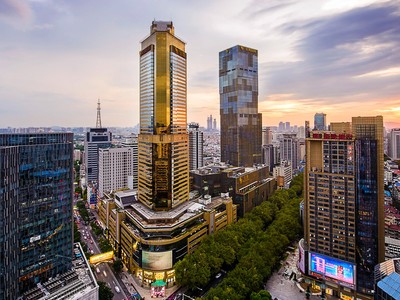
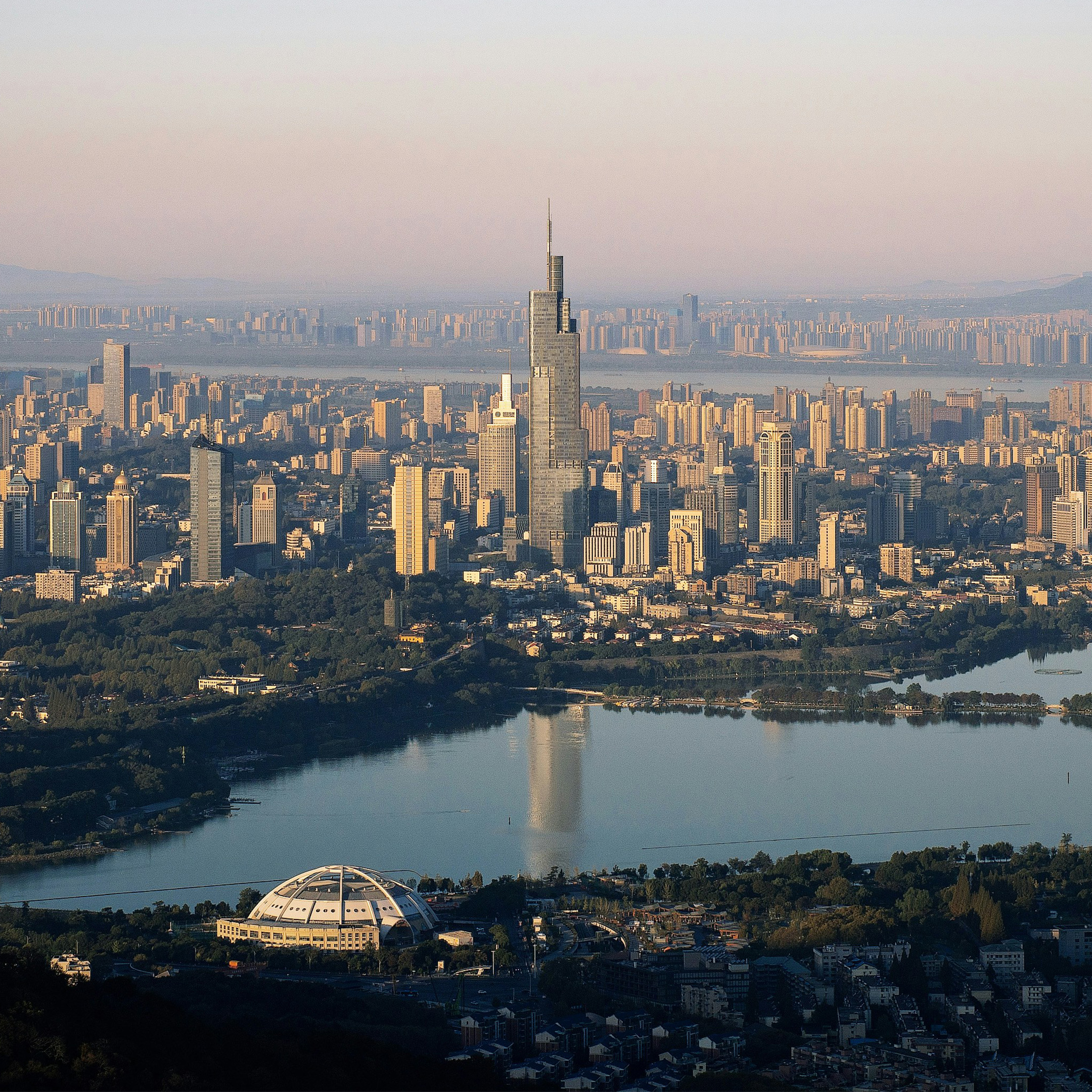
Nanjing (南京, Nánjīng), the "Southern Capital," is the capital of Jiangsu Province in eastern China, situated on the south bank of the Yangtze River about 300 kilometers upstream from Shanghai. The municipality covers a large area on both sides of the river, including the old walled core, the Purple Mountain area to the east, and suburban districts, with a population of over 9 million. Nanjing is a major political, educational, and cultural center, with one of the largest concentrations of universities in China.
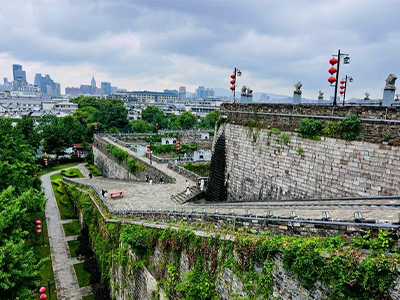
Nanjing served as the capital of several Chinese dynasties, most notably the early Ming, when the Yongle Emperor ruled from here before moving the capital to Beijing in 1420, and again as the capital of the Republic of China from 1912 to 1949. The city's Ming-era city wall, one of the longest ever built, the imperial tomb of the founding Ming emperor on Purple Mountain, and the Sun Yat-sen Mausoleum all date from these capital periods. In 1937 Nanjing was the site of the massacre by Japanese troops that became one of the most traumatic events of modern Chinese history, and the city's memorial to the victims is one of its principal historical sites.
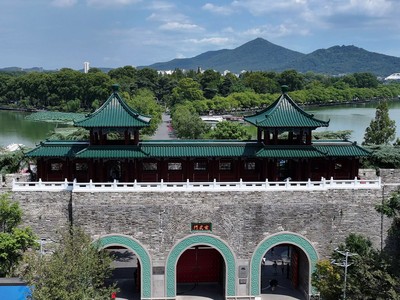
Today Nanjing offers visitors a stately, tree-lined city of imperial tombs, republican-era government buildings, and old temples along the Yangtze. The Sun Yat-sen Mausoleum and the Ming Xiaoling Tomb on Purple Mountain, the Ming-era city wall and gates, and the Presidential Palace and 1930s government buildings record the city's layered capital past, while the Nanjing Massacre Memorial Hall commemorates the 1937 tragedy. The old lanes around Fuzimiao and the Qinhuai River, the lakes and parks of the old city, and the city's museums round out one of China's most historically charged cities.
Highlights
Fuzimiao
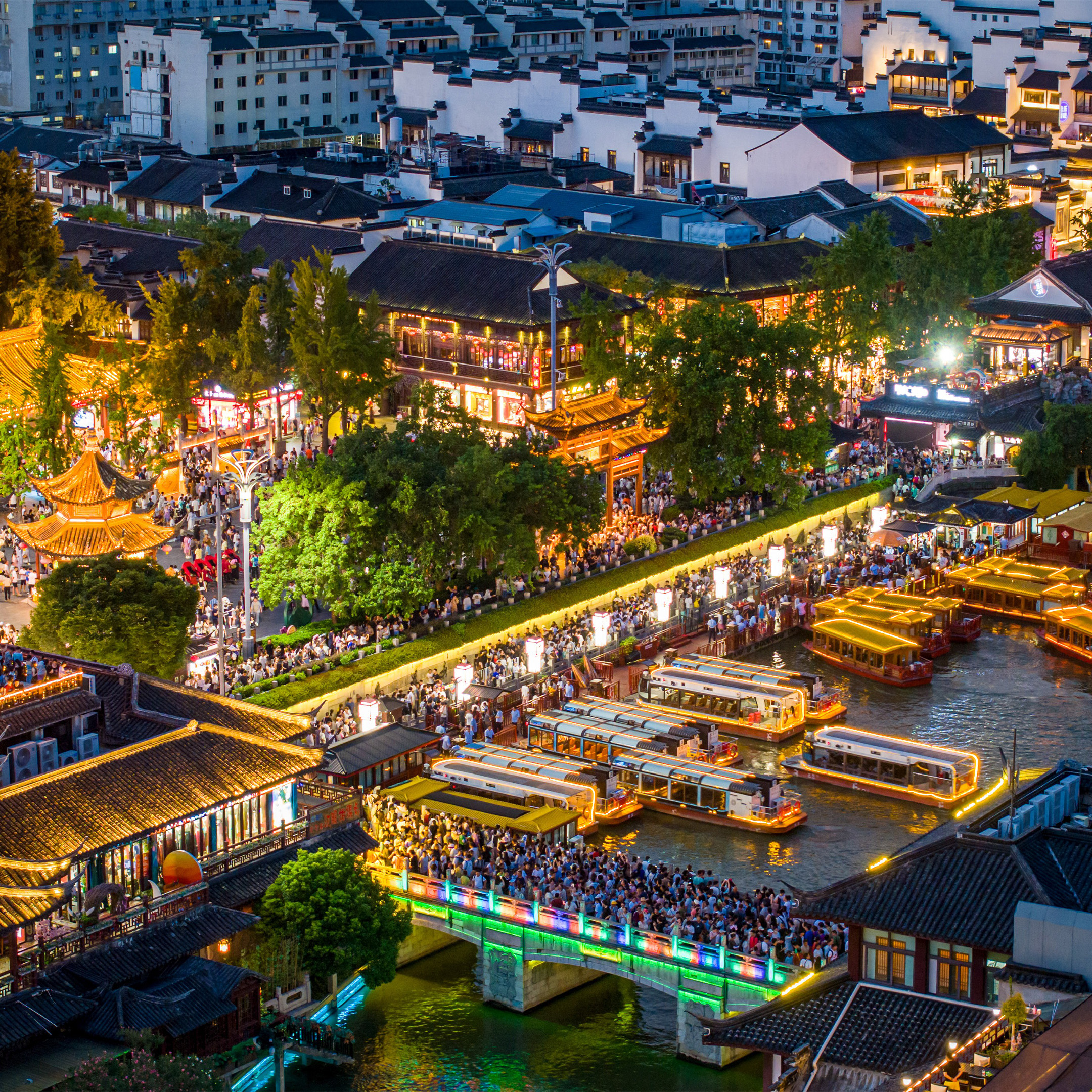
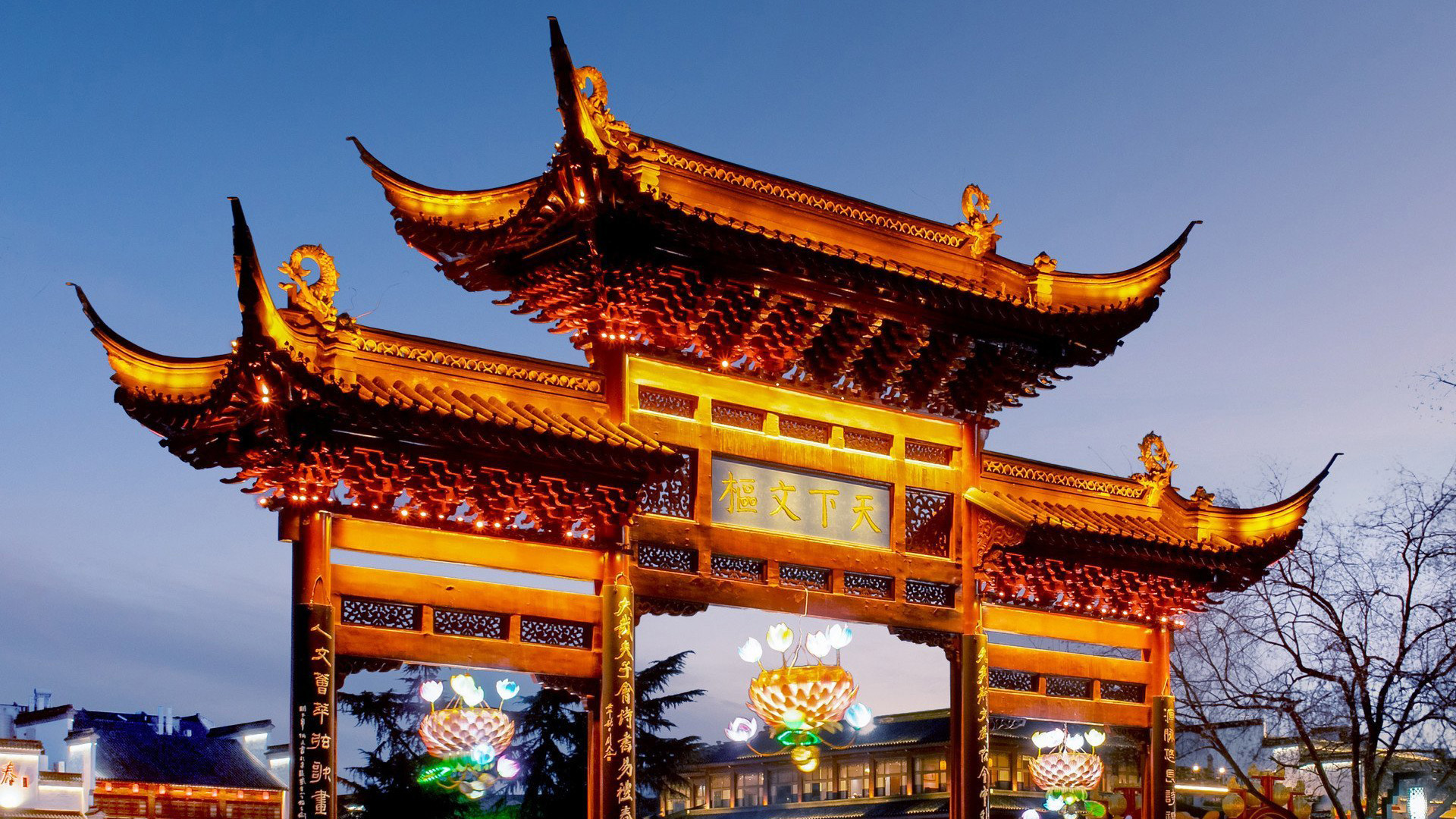
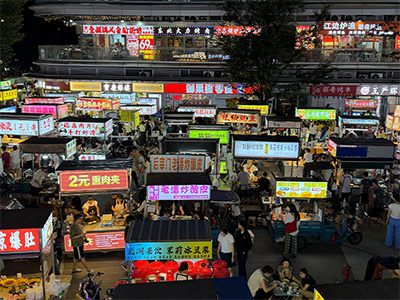
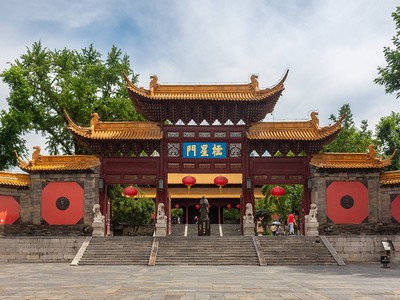
Fuzimiao (夫子庙, Fǔzimiào), the Confucius Temple district, sits along the Qinhuai River in the heart of old Nanjing. Originally built in 1034 during the Song Dynasty and rebuilt many times since, the temple is the center of a lively historic quarter of narrow lanes, traditional shops, and riverside teahouses.
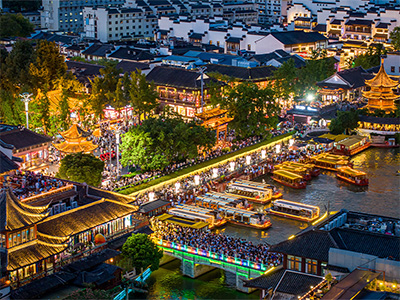
At night, the area is famous for its red lanterns reflected in the river, street-food stalls, and the grand Confucius Temple itself. Nearby, the Jiangnan Imperial Examination Hall preserves the history of China's ancient civil service exams, for which Nanjing was one of the most important centers.
Sun Yat-sen Mausoleum
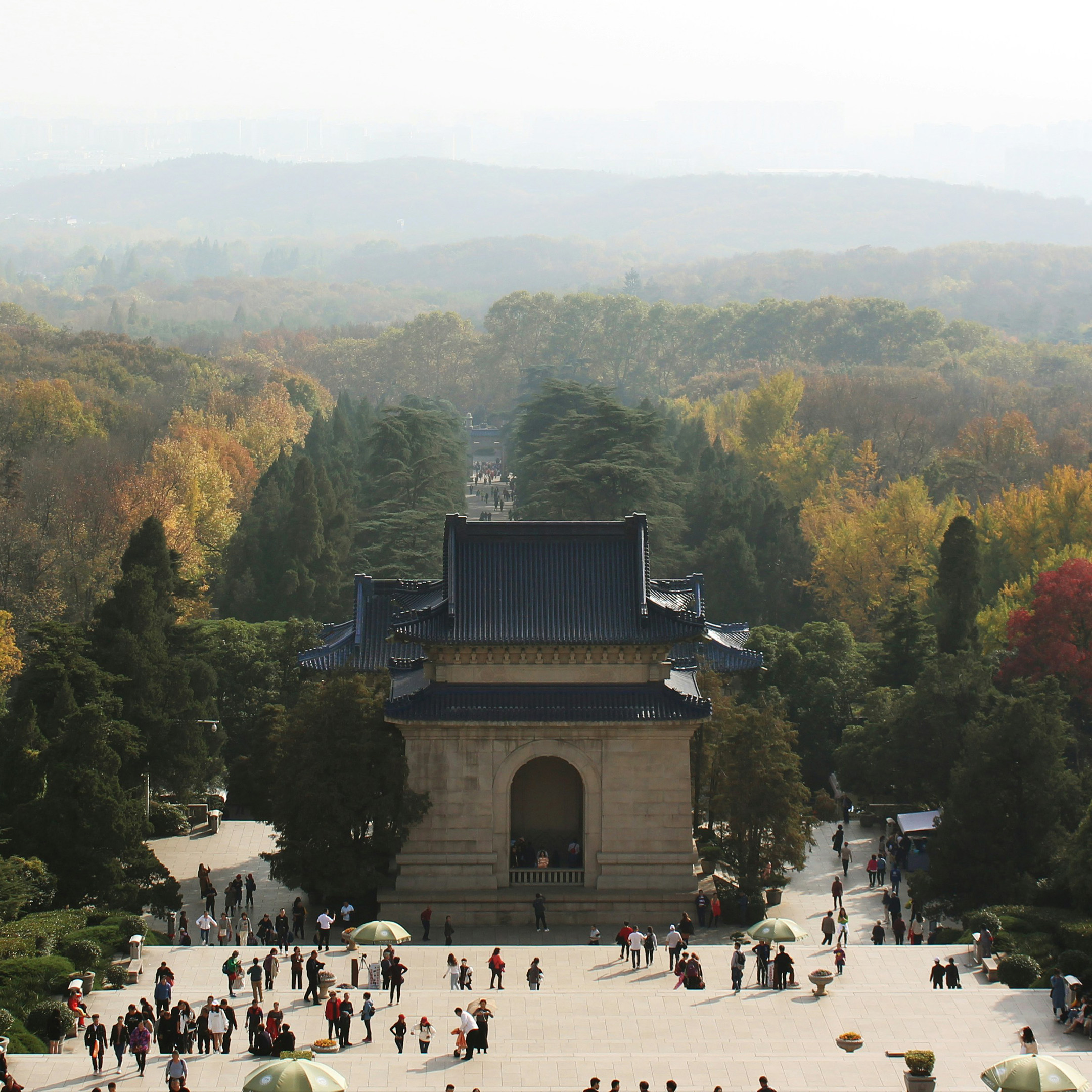
The Sun Yat-sen Mausoleum (中山陵, Zhōngshānlíng) rests on the slopes of Purple Mountain (紫金山, Zǐjīn Shān) on the eastern edge of Nanjing. Built between 1926 and 1929, it is the burial place of Sun Yat-sen, the founding father of the Republic of China.
Visitors climb a long ceremonial staircase of 392 steps to reach the sacrificial hall and marble statue of Sun Yat-sen. The axis of the tomb aligns with Nanjing's old city wall in the distance, and the surrounding forested mountain makes it one of the most visited and solemn sites in the city.
Attractions
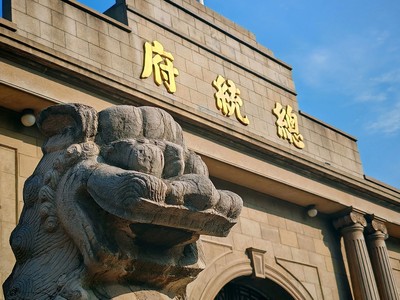
Presidential Palace
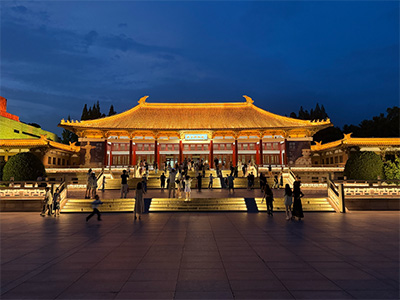
Six centuries of Chinese governance in one compound
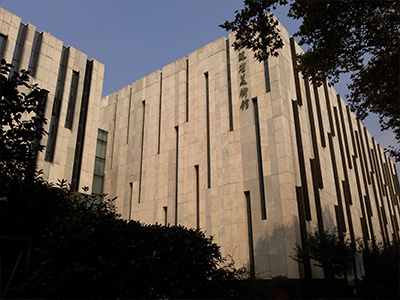
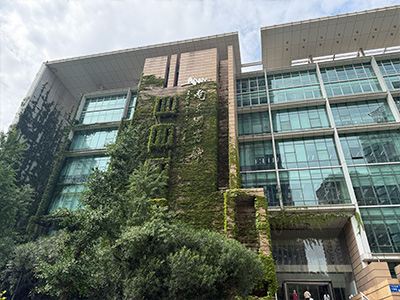
Nanjing Library
China's third-largest library and a landmark of modern reading
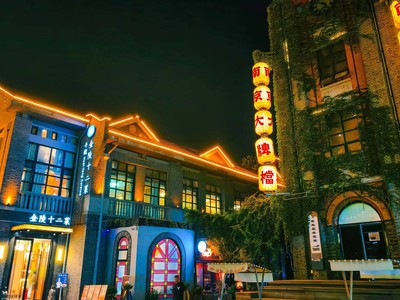
1912 Bar District
Nightlife quarter in Republican-era heritage buildings
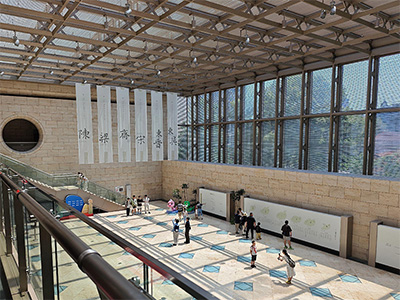
The Oriental Metropolitan Museum
Museum exploring Nanjing's Six Dynasties heritage
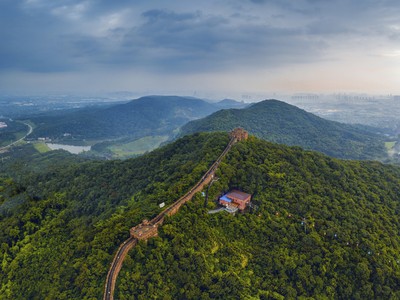
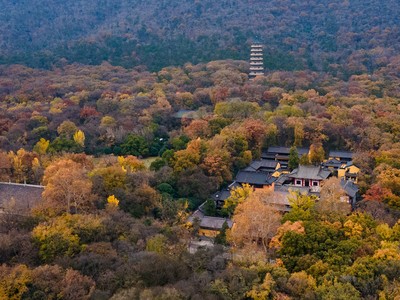
Purple Mountain
Nanjing's forested landmark of tombs, temples, and trails
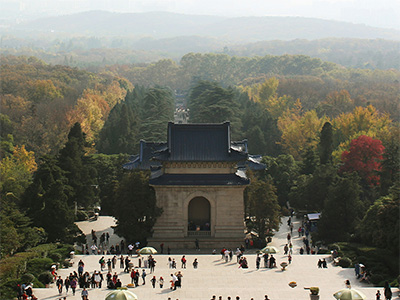
Sun Yat-sen Mausoleum
Grand hillside memorial to the father of modern China
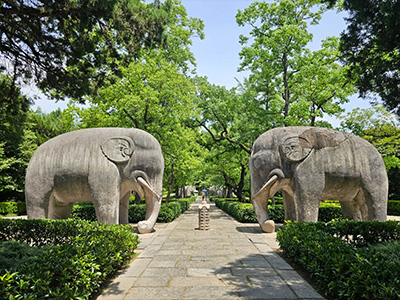
Ming Xiaoling Mausoleum
Imperial tomb of the Ming Dynasty's founding emperor
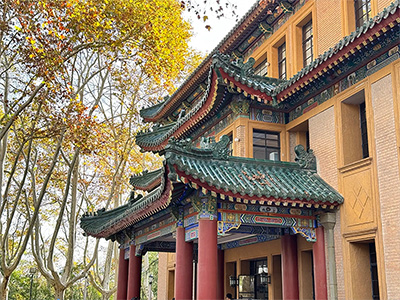
Meiling Palace
Art Deco villa built for Chiang Kai-shek and Soong Mei-ling
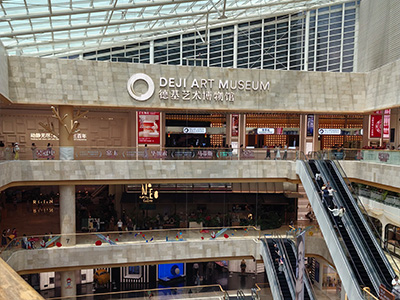
Nanjing Municipal Museum
Republican-era history in a restored heritage building
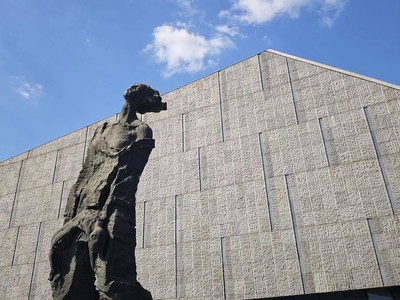
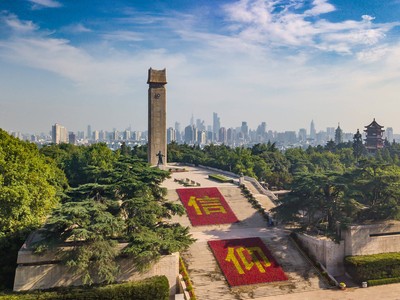
Nanjing Massacre Memorial Hall
Solemn memorial to the victims of the 1937 massacre
Niushoushan
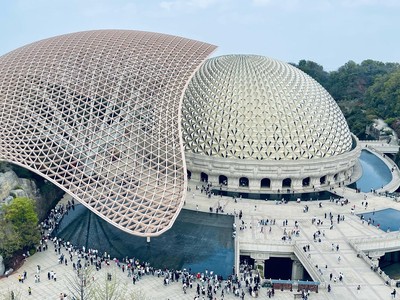
Sacred hillside retreat with the underground Usnisa Palace
Laoshan National Forest Park
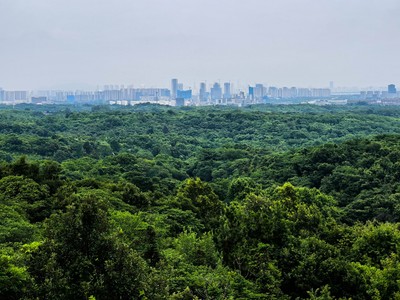
Forested mountain escape on the city outskirts
Nanjing Skyline
Nanjing